A room can look finished and still feel uncomfortable. Afternoon sun may hit the television, a street-facing window may leave you feeling exposed, or a bedroom may be brighter than you want at six in the morning. Window coverings can help with each of those problems, but choosing the right kind matters more than simply choosing a color.
The decision often comes down to blinds versus shades. Both offer privacy and light control, and both can look at home in a modern or traditional space. The useful question is not which one is universally better, but how you want each window to work on a normal day.
Start with the practical difference
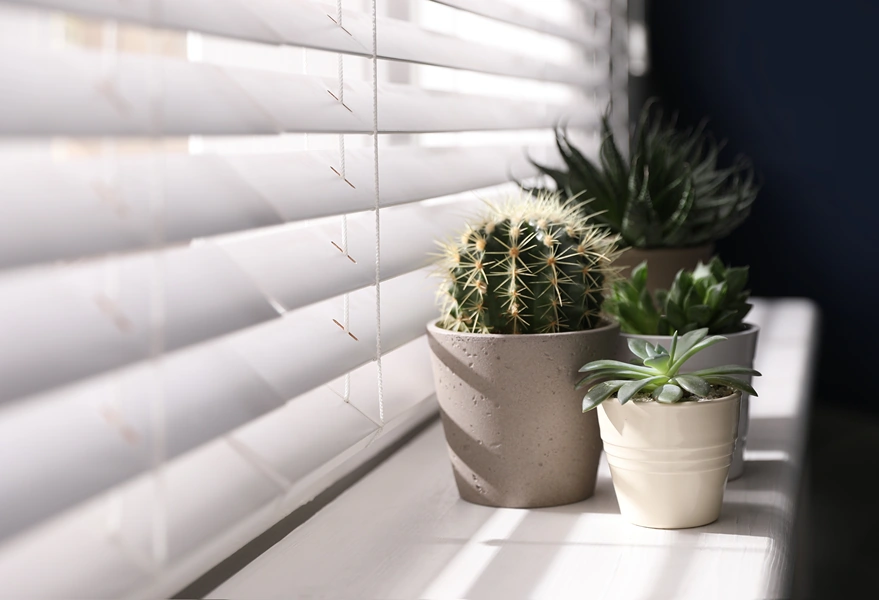
Blinds are made with individual slats that can tilt to change the direction and amount of light entering a room. Most can also be lifted to uncover the window. This gives you a useful middle ground when you want daylight but do not want full exposure to an outside view.
Shades generally use a continuous piece of fabric or another flexible material that rises and lowers across the window. Instead of tilting slats, you choose how much of the window to cover and what the material lets through. Some designs have adjustable fabric layers, but the underlying experience is usually simpler and softer-looking.
Neither approach is a shortcut to a perfect result. A tightly closed blind can still admit light around slats and edges, while a beautiful shade may let more silhouettes show through at night than you expected. It helps to decide what must work before thinking about the finish.
Look at the light, not just the window size
Think about a living room that faces west in Tucson. The sunlight that makes the room pleasant in the morning can become intense late in the day, particularly when it lands directly on a screen or favorite seat. Being able to redirect that light can matter as much as blocking it.
Blinds are flexible when you want to adjust light without covering the entire view. Tilting the slats can reduce direct glare while leaving some daylight in the room. The result depends on the slat width, material, and window angle, so it is worth testing the effect rather than assuming one setting will work all day.
Shades provide a different kind of control. A light-filtering fabric may soften bright daylight across the whole opening, while a more opaque material can make a room feel noticeably darker. For a home office where reflected sunlight is distracting, that smooth, diffuse light can be more comfortable than sharp stripes from slats.
There is also a difference between room darkening and blackout. A dark fabric may block most light through the material but still allow a bright outline around the sides. Bedrooms that need very low light should be planned around fabric, mounting position, and possible side gaps together.
Privacy changes when the lights come on
During the day, sunlight outside can make the inside of a home harder to see. At night, the balance often reverses: when the interior is illuminated, light-filtering fabrics may reveal shapes or movement from the street. This catches people by surprise because a material that felt private at noon does not necessarily feel private after sunset.
Blinds can provide useful flexibility because the slats can be angled to restrict a direct line of sight. Their effectiveness varies with where people are standing and how the slats are positioned. A small bathroom or a window close to a neighbor’s patio may call for a more complete visual barrier.
For shades, pay attention to how the fabric is described. Sheer, light-filtering, room-darkening, and opaque materials create different combinations of daylight and privacy. If a product sample is available, hold it up with a light behind it before choosing it for a street-facing room.
What about heat and energy comfort?
Window coverings can help control unwanted sunlight, but no blind or shade should be treated as a guaranteed reduction in an electric bill. Glass type, window orientation, fabric, fit, and how consistently the covering is used all influence the result. The U.S. Department of Energy notes that correctly used interior blinds and shades can help manage solar heat gain while preserving useful daylight.
A shade that fits close to the window can be especially useful when the goal includes thermal comfort. Cellular, or honeycomb, shades are designed with pockets that trap air and provide an added insulating layer. The benefit varies by product and installation, so do not assume that all fabric shades perform the same way.
Blinds can help redirect direct sunlight and reduce glare, particularly when occupants adjust the slats during bright hours. They generally do not provide the same kind of insulating air pockets as cellular shades. If heat is the main concern, it may also be worth considering whether the glass itself would benefit from a suitable window film rather than asking an interior covering to solve every problem.
In a Southern Arizona home, the east and west windows often deserve the closest attention because morning and afternoon sun arrive at low angles. Walk through the rooms at the times when discomfort is greatest. A material that seems adequate in a showroom may behave differently when the sun is hitting the actual window.
Match the material to everyday life
Wood blinds create warmth and a familiar interior look. Faux wood can be practical where cleaning and moisture are regular concerns, such as kitchens and laundry areas. Material quality and exposure matter, so a wood look alone does not tell you how a covering will age in a bright room.
Fabric shades can produce a cleaner outline and a softer appearance, particularly across larger windows. Roller shades suit simple spaces; Roman shades add more visible fabric texture; cellular shades emphasize comfort as well as appearance. The choice should reflect how often the covering moves and whether the fabric can be cared for easily.
Cleaning is easy to overlook when browsing samples. Individual slats collect dust along their edges, while many shade fabrics need gentle dusting or care according to the manufacturer’s instructions. In a home with pets or near a frequently opened patio door, think about what daily wear will look like after a few years.
Choose room by room, not house by house
A kitchen benefits from finishes that tolerate frequent cleaning and the occasional splash. A bright family room may need flexible glare control for afternoon television use. A bedroom might benefit more from predictable darkness and privacy than from the ability to tilt light at different angles.
In a home office, consider the position of monitors before deciding. Even a subtle reflection can become frustrating over a full workday, and the ideal solution may be different for a south-facing window than for a north-facing one. It is often easier to choose a covering after sitting in the normal working position and observing the light.
Bathrooms and ground-floor bedrooms deserve special attention to privacy after dark. A fabric that looks elegant from inside can look quite different from outside with the lights on. If possible, examine a real sample from both sides rather than relying on a product photograph.
The important point is that consistency does not require identical coverings everywhere. You can keep a related color palette and hardware finish while choosing different functions in different rooms. That often produces a more comfortable home than forcing one treatment to serve every purpose.
Do not overlook cord safety
If young children live in or regularly visit the home, cord safety should be part of the decision from the beginning. The U.S. Consumer Product Safety Commission recommends cordless window coverings as the safest option where young children are present. Replacing accessible cords is more effective than trying to keep them temporarily out of reach.
Cordless manual systems and appropriately designed motorized options can reduce reliance on exposed operating cords. Ask how a specific product works, whether it has accessible cords, and what safety features are included. The answer should come before the discussion about fabric colors or decorative finishes.
A good fit is about more than measurements
Even excellent materials can disappoint when the treatment is poorly measured or mounted. Inside mounts need enough depth, and small variations in window frames can affect how a blind or shade moves. Outside mounts may cover more of the opening and help with light gaps, but they change the final appearance.
Before ordering, notice door handles, cranks, trim, and furniture that sit close to the glass. The right location for the hardware depends on how the window opens and how the covering will be used. For wide openings, multiple coordinated shades or blinds may work better than one very large unit.
Installation details matter over time. A covering that clears the handle, moves smoothly, and is easy to clean is more useful than one that looked attractive only on the day it went up. This is where a careful measurement and a discussion of the room’s routine can prevent expensive changes later.
When does motorization make sense?
Motorization can be worth considering for high windows, a bank of large openings, or spaces where coverings are adjusted several times every day. It can also be convenient when compatible controls allow multiple windows to move together. But it is an option, not a requirement for a good result.
A manual blind at an easy-to-reach kitchen window may be exactly what a household needs. On the other hand, several tall shades that are rarely moved because the controls are inconvenient could benefit from an easier system. Start with the inconvenience you are trying to remove rather than the technology itself.
If automation is part of your plan, ask whether the chosen covering and controls can work with your existing home systems. Different motors and platforms have different compatibility requirements, and not all products offer the same features. It is more useful to plan the control experience before purchase than to assume everything can be connected later.
Make the choice around the problem you want to solve
Blinds are often a natural choice when adjustable slats and flexible daylight control matter most. Shades are appealing when you prefer a continuous fabric appearance, diffuse light, or a particular level of room darkening. Neither is a winner in every room.
The simplest way to decide is to list the three things that bother you most about each window. It might be glare at the dining table, visibility from the sidewalk, or the bright afternoon sun that makes a favorite chair uncomfortable. Then compare actual material samples against those situations, not just against a photo of a finished room.
Technology Specialists can help with the practical side of that process, including measurements, available materials, and installation options. Explore our window blinds and window shades services if you would like to compare suitable options for your space. A thoughtful choice now can make the windows easier to live with every day.